

What are the different types of yarn?
Yarn is the core material used in knitting and crochet projects. There are many different types of yarn - from natural animal and plant fibres to synthetic options and blended yarns - and each one affects how your finished project looks and performs.
The fibre you choose influences softness, warmth, durability, drape and care requirements, so selecting the right yarn type matters.
Yarn weight is another important factor. If you’d like help with thickness and sizing, take a look at our yarn weight guide. For now, this guide focuses on the different types of yarn by fibre and what they’re best used for.
Even experienced knitters often ask, “Is this the right yarn for my project?”. This guide will help you answer that question with confidence.
Natural animal fibres
Natural animal fibres are among the most popular types of yarn for knitting. They are typically grouped into wool, speciality animal hair and silk. These yarn types are known for warmth, elasticity and durability, making them well suited to everything from winter garments to fine accessories.
Let’s look at the most common options.
Wool
Wool is one of the most widely used and versatile yarn types. It is naturally elastic, water resistant and excellent at regulating temperatures.
Best for: Sweaters, cardigans, hats, scarves and blankets
Benefits: Warm, breathable, resilient, forgiving for beginners
Merino
Merino yarn is a finer, softer type of wool yarn. Its fibres are gentle against the skin and far less itchy than traditional wool. It's also known to handle moisture particularly well due to its fibre structure, which is why it’s widely used in performance wear.
Best for: Baby clothes, base layers, next-to-skin garments
Benefits: Soft, temperature regulating, comfortable, resilient, elasticity.
Cashmere
Cashmere comes from the soft undercoat of cashmere goats. It’s known as a luxury yarn fibre thanks to its exceptional softness and insulation, and once washed, cashmere yarn blooms, developing a soft halo that enhances its light yet insulating feel.
Best for: Premium garments, gifts, heirloom pieces
Benefits: Ultra-soft, lightweight, very warm
Alpaca
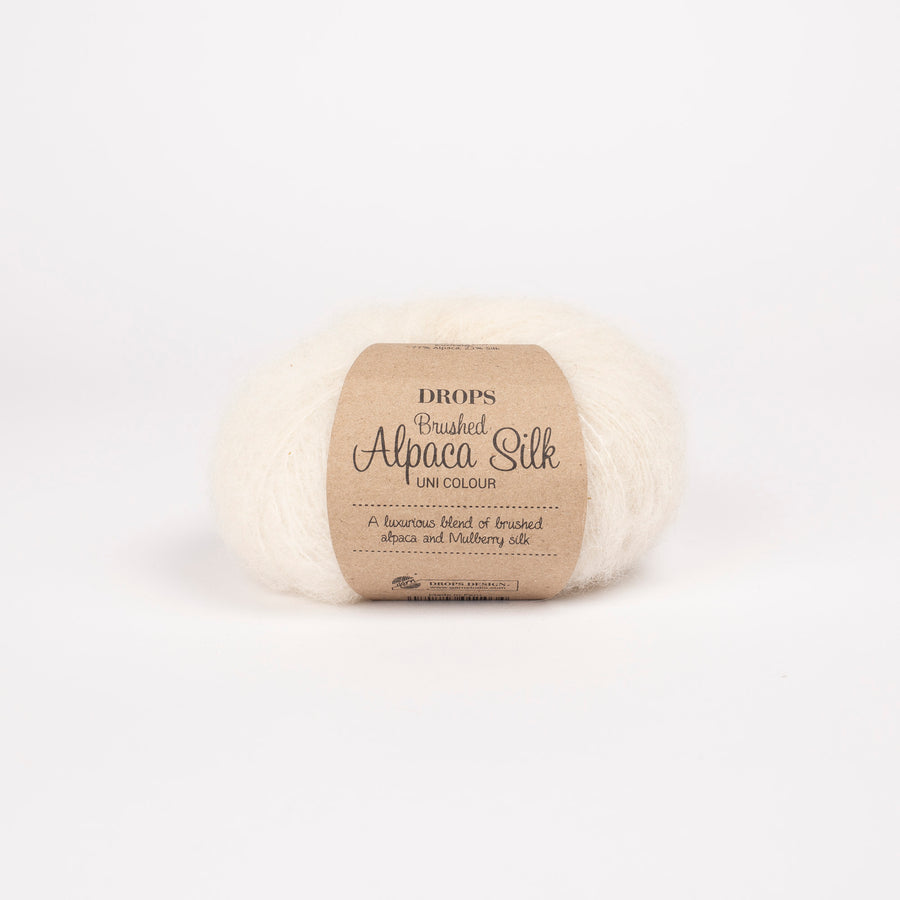
Slightly warmer than wool, Alpaca is typically hypoallergenic, highly water-resistant and light in weight. It’s durable but soft, delivering an exceptional shape and a luxurious feel. As it contains little to no lanolin, it's often more comfortable for people with lanolin allergies, those sensitive to the smell or residue of sheep wool. Alpaca also drapes more vertically when knitted and can feel slightly heavier than other wool.
Best for: Sweaters, cardigans, wraps
Benefits: Warm, lightweight, less likely to irritate skin
Silk
Silk is one of the most lustrous and strongest natural yarn fibres. It has a beautiful drape and sheen, but less elasticity than wool. It’s an excellent alternative to those with sensitive or eczema-prone skin, who may react to wool. Silk can absorb up to 30% of its weight in moisture without feeling damp - more than cotton.
Best for: Blouses, shawls, eveningwear, luxury items
Benefits: Smooth, shiny, strong, elegant drape, adds a fluid drape to garments
Mohair
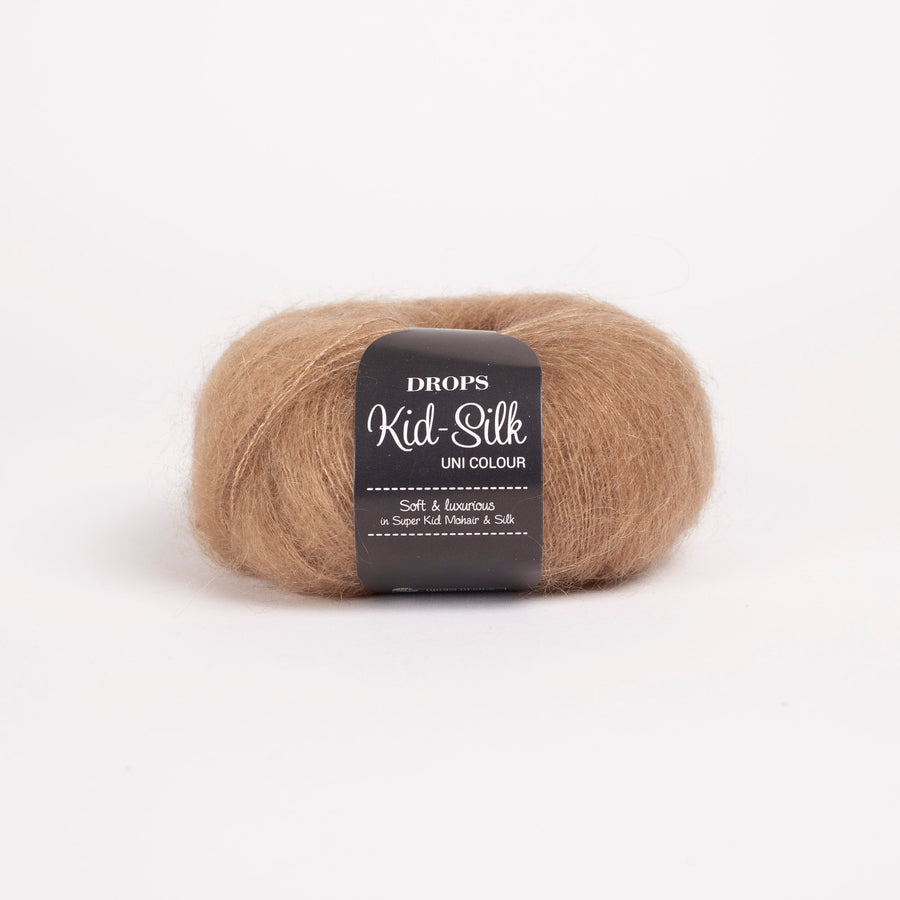
Mohair yarn is a luxurious, soft yarn made from the long, lustrous hair of the Angora goat. It’s lightweight and strong and has a distinct halo effect from the fuzzy texture. When used, it adds warmth, beautiful texture and significantly reduces pilling in the overall yarn composition, hence it is a popular choice for yarn combination.
Best for: Sweaters, scarves, throws, textured pieces
Benefits: Fluffy texture, warmth without weight
Natural plant fibres
Plant-based yarn types are made from cellulose fibres. They are typically breathable, durable and often a good choice for sensitive skin. Many knitters choose plant yarns for warm-weather garments and home items.
Cotton
One of the most common yarns, cotton is soft, breathable, strong and highly absorbent. It’s a versatile yarn that can be used for everyday clothing such as summer garments.
Best for: Summer garments, tops, baby items, dishcloths, homeware
Benefits: Breathable, washable, strong
Bamboo
Bamboo yarn is known for its silky softness and smooth finish. It has become popular with eco-conscious knitters due to the plant’s fast regrowth.
Best for: Lightweight clothing, baby items, underwear
Benefits: Soft, breathable, moisture-wicking
Linen
Linen is derived from the flax plant and is one of the oldest yarn fibres in use. It is strong, smooth and ideal for warm climates. Linen can feel slightly coarse but offers a clean, architectural drape.
Best for: Summer clothing, lightweight garments
Benefits: Cool, durable, breathable, structured
Lyocell
Lyocell yarn is a sustainable fiber derived from wood pulp, known for its softness, strength and moisture-wicking properties. Unlike wool, Lyocell doesn’t insulate and feels smooth and cool to the touch. It performs particularly well in warm season and as base layer or for sensitive skin as it regulates temperature through moisture management rather than air trapping
Best for: Bed linen, towels, delicate garments, activewear
Benefits: Cool, smooth, durabable, breathable
Seacell
Seacell is Lyocell blended with seaweed (Ascophyllum nodosum), incorporated into the cellulose matrix before spinning. Yarns made of seacell are becoming increasingly popular due to beautiful hand feel – it's softer than Lyocell and has potential health benefits when worn against skin with trace elements such as magnesium and calcium.
Best for: Activewear, sportwear, lingerie, sleepwear
Benefits: Soft, anti-inflammatory, soothing
Synthetic fibres
Synthetic yarn types are man-made and engineered for performance, affordability and easy care. They are often used alone or blended with natural fibres to improve durability and reduce cost.
Nylon
Nylon is made from polyamide and is known for its strength and elasticity. It can be used alone, but it’s often blended together with other fibres to add more strength.
Best for: Socks, high-wear items, blends
Benefits: Durable, stretchy, reinforcing when blended
Acrylic
Acrylic is one of the most widely used synthetic yarns and is often described as an alternative to wool.
Best for: Sweaters, blankets, beginner projects
Benefits: Affordable, lightweight, moth-resistant, easy care
Polyester
Polyester yarn is durable and shape-retaining. It is frequently blended with other yarn fibres.
Best for: Home items, plush projects, sportswear blends
Benefits: Wrinkle resistant, strong, holds structure
Blended yarn
Because no single fibre does everything well, blended yarns can balance softness, durability, price and care needs. When making the decision to use the best material, knitters can face the following problems:
- Cashmere is soft but delicate.
- Merino is elastic but can pill.
- Alpaca is water-resistant but can stretch.
- Linen is breathable but wrinkles.
- Silk drapes but lacks structure.
- Lyocell flows but has little memory.
Popular yarn blends include:
Wool (Merino) + Cashmere
Softness meets resilience. The result? Luxurious yet wearable knitwear, small sacrifice on the softness but less fragile than pure cashmere.
Alpaca + Wool ( Merino )
Weatherproof meets stability. Without wool, alpaca can stretch; with wool, it retains shape.
Wool ( Merino, Alpaca or Cashmere ) + Silk
Structure meets fluidity. These blends feel refined and elegant, especially in finer gauges, it is slightly cooler to touch as well.
Wool + Nylon (Polyamide)
Softness meets durability. This blend acts as invisible reinforcement to significantly increase longevity.
Blends are often a smart choice when you want balanced performance rather than a single-fibre feel.
Looking for a certain type of yarn? Check out our store to find out more
Now that you understand the different types of yarn and what each fibre is best suited for, you can choose materials with more confidence.
Explore our yarn by fibre collections at Knitted Home to find hand-picked options for your next project - and get knitting.