


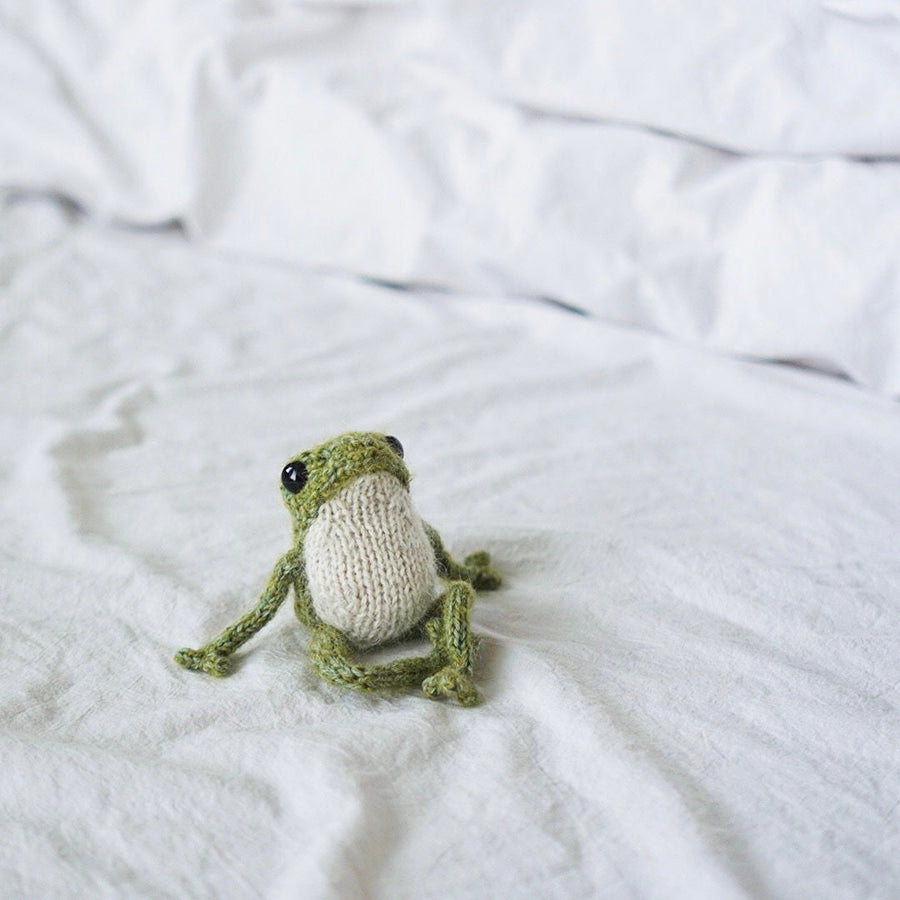


How to knit an animal for beginners – a step-by-step guide
Knitting a refined and lifelike animal or cuddly companion, often referred to by the Japanese term amigurumi, can feel intimidating at first. These projects are more three-dimensional than standard flat knits, meaning the shape changes as you work. Many animal patterns also require a tighter gauge to ensure the stuffing stays neatly inside, which can add to the challenge for beginners.
That said, learning how to knit an animal for beginners doesn’t have to be complicated. Many easy animal knitting patterns for beginners are made from simple squares or rectangles that are sewn together to create a finished shape. Thanks to their small size and light weight, animal knits are often quick projects, and any small beginner knitting mistakes can usually be hidden with clever stuffing.
With that in mind, this guide will walk you through the easiest animals to knit, the equipment you’ll need, common mistakes to avoid and a clear step-by-step process to help you get started with confidence.
What is the easiest animal to knit for beginners?
If you’re new to knitting toys, it’s best to start with animals that have simple shapes and minimal sewing. Bunnies, cats and teddy bears are widely considered some of the easiest animals to knit for beginners due to their straightforward body structures and forgiving designs.
Once you’ve followed this step-by-step guide, you may want to try one of our beginner-friendly animal knitting kits, created in collaboration with Claire Garland, author of Magical Woodland Knits. These include:
- Knit three adorable little easter Bunnies
- A beautiful Tabby cat that is 23cm long
- Arguably the most iconic teddy bear, Winnie the Pooh

What equipment do I need to knit an animal?
Before you begin, make sure you have all the essential tools and materials ready. Having the right equipment will make the process smoother and help you avoid unnecessary frustration.
Yarn or wool
When it comes to knitting animals, a medium weight yarn is best as it’s easier to seam neatly – for best results try a DK or Worsted Aran yarn weight.
For beginners, a blend of cotton and wool may be the best option. Wool has natural elasticity, making stitches easier to manage and far more forgiving if you need to unravel and re-knit sections.
Knitting needles
Choosing the correct needle size for your yarn is essential. Smaller, shorter needles offer better control when working on intricate pieces such as limbs or ears.
For beginners, straight needles are usually the easiest option, especially when working with flat panels for bodies and heads. You’ll also need a darning needle to sew all the knitted sections together once complete.
Extra knitting tools
For those new to knitting, a stitch marker will make a huge difference. It can be used to mark the front of the animal, indicate where sections change, or ensure arms and legs are knitted to the same length. Stitch markers are also useful for spotting dropped stitches early.
How to knit your first animal: Step by step
Now let’s break down the process into manageable steps. If you’re using an animal knitting kit, you’ll usually receive all the yarn, stuffing, tools and pattern instructions you need to follow along.
1. Choose a beginner pattern
Start with a beginner-friendly flat pattern designed for straight needles. Flat patterns are easier to manage and allow you to knit individual pieces before assembling them. Many patterns work from the bottom up, giving you time to build confidence before reaching more detailed sections.
2. Knit the main pieces
Divide your animal into separate sections. This makes it easier to fix mistakes without having to unravel the entire project.
Begin with the body, as it’s the largest piece and a great opportunity to practise maintaining even tension.
Next, knit the head and check that it’s proportionate to the body before moving on.
Then knit the arms and legs, taking care to ensure they are the same length and width. Finally, complete any smaller details such as ears or tails.
Stuffing and sewing
Once all sections are knitted, it’s time to stuff them. Stuffing before sewing helps maintain the correct shape. Fill each piece through a small opening at the bottom, teasing the fibres gently and using a blunt tool to reach the corners without creating lumps.
For best results, stuff the head and body firmly to give structure, and keep the limbs slightly softer near the joins, so they remain movable. Pin the head and limbs in place to check positioning and balance before sewing.
When you’re happy, use matching yarn and a darning needle to sew the seams securely. Weave in any loose ends inside the animal to keep the finish neat.

Common beginner knitting mistakes and how to fix them
Beginner knitting mistakes are completely normal, especially when learning how to knit animals. Here are some of the most common issues and how to fix them.
Loose stitching
Loose stitches can allow stuffing to show through and cause the animal to lose its shape. To improve tension, try wrapping the yarn twice around your pinky finger to add resistance while knitting.
Overstuffing
Overstuffing stretches the knitted fabric and can make your animal feel hard rather than cuddly. Try the “squish test” - if the toy compresses easily, the stuffing level is just right. If it feels too firm, gently remove some stuffing using tweezers.
Uneven shaping
Uneven shaping is often caused by inconsistent stuffing or misaligned seams. Before sewing, gently massage the piece to redistribute the stuffing evenly and re-pin sections until everything sits correctly.
Knitting tips for beginners
Now that you know how to knit an animal and avoid common pitfalls, here are a few final knitting tips for beginners.
- Use animal knitting kits
Beginner kits are an excellent starting point, as they include the correct yarn, needles and step-by-step instructions to guide you through the process. - Start with chunkier yarn
Chunkier yarn creates larger stitches, making it easier to see your work, count stitches and disguise minor tension inconsistencies. - Use tutorials
If you’re a visual learner, online video tutorials can be invaluable. Watching techniques in action often makes new steps much easier to understand.
Are you looking to start knitting animals as a beginner?
Explore our animal knitting kits, designed with beginners in mind. Each kit includes high-quality yarn, pattern support and expert guidance, giving you everything you need to create your very own knitted companion.


